


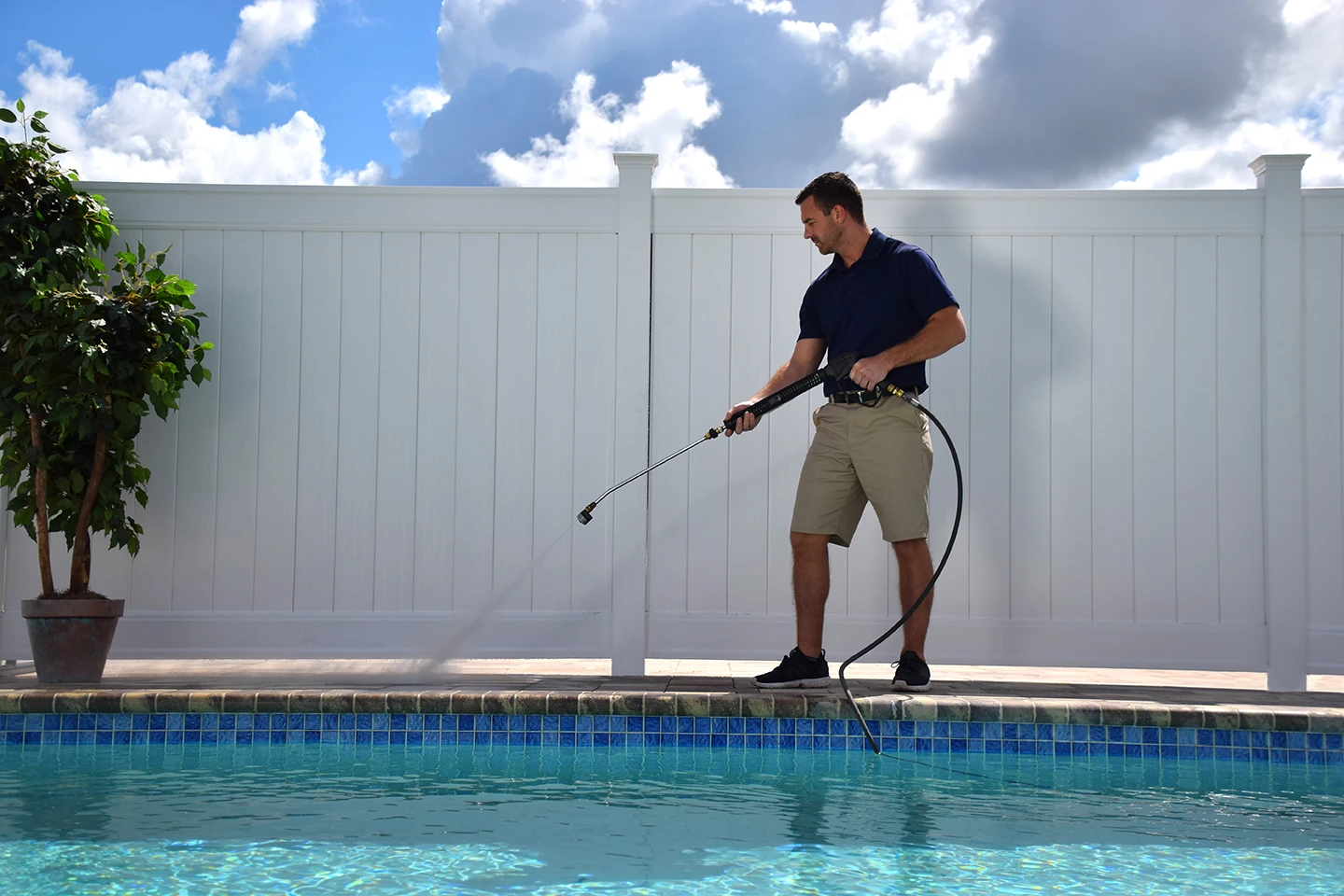
At some point, every pool starts to show wear. It doesn’t happen overnight—but once it does, you notice it everywhere. Rough surfaces, stains that won’t go away, fading finishes—it all adds up.
Across Pool Resurfacing Contractors in Fort Worth and growing areas like Aledo, Weatherford, Justin, and Northlake, homeowners are turning to pool resurfacing as a practical way to restore their pool without going through a full rebuild.
But here’s the part most people overlook—resurfacing isn’t just about making the pool look better. Done right, it fixes underlying issues, improves performance, and extends the life of the pool.
That’s where working with an experienced team like Lonestar Oasis Pools makes a real difference.
Signs It’s Time to Resurface Your Pool
Most pools don’t fail suddenly—they give you signs early.
Common indicators:
- Rough surfaces that feel uncomfortable on feet or skin
- Visible cracks or worn areas
- Stains that don’t respond to cleaning
- Fading or uneven color
- Recurring algae issues even with proper maintenance
You might also notice chipping around steps or edges. These small issues tend to spread if ignored—and that’s when resurfacing turns from a simple fix into a bigger repair.
Why Pool Resurfacing Is More Than Just Cosmetic
A lot of homeowners think resurfacing is just about appearance. It’s not.
A properly resurfaced pool:
- Restores a smooth, safe swimming surface
- Prevents further structural damage
- Helps maintain proper water retention
- Reduces long-term maintenance issues
- Extends the overall lifespan of the pool
The key is addressing both the surface and what’s underneath it—not just covering it up.
The Pool Resurfacing Process (What Actually Happens)
A well-handled resurfacing project follows a clear process. If it feels rushed or unstructured—that’s usually a red flag.
- Draining the Pool
All water is removed to expose the surface.
- Surface Preparation
Old material is removed, and any cracks or damage are repaired.
- Applying the New Finish
The new surface is applied evenly—this step determines durability and appearance.
- Curing and Refilling
The pool is refilled carefully to protect the new finish.
- Final Inspection
Everything is checked to ensure long-term performance.
Lonestar Oasis Pools follows a structured approach here, which is critical—because shortcuts at this stage lead to early failure.
Choosing the Right Resurfacing Material
Not all finishes perform the same—especially in Texas conditions.
Plaster (Basic & Cost-Effective)
- Smooth, traditional finish
- Lower upfront cost
- Typically lasts 5–10 years
Pebble (Most Durable Option)
- Extremely long-lasting
- Natural texture and appearance
- Strong resistance to wear and chemicals
Tile (Premium Finish)
- Highly durable
- Easy to maintain
- High-end look
Choosing the right material isn’t just about budget—it’s about how long you want it to last and how much maintenance you’re willing to handle.
How Long Does Pool Resurfacing Take?
Most resurfacing projects in Fort Worth and surrounding areas take:
- 5 to 10 days on average
Timing depends on:
- Pool size and condition
- Material choice
- Weather conditions
Rushing this process—especially curing—is one of the biggest mistakes you can make.
Why the Contractor You Choose Matters
This is where most projects either succeed—or fail early.
Resurfacing might seem straightforward, but poor prep work, incorrect application, or cheap materials can lead to:
- Early surface breakdown
- Staining and discoloration
- Cracking and peeling
Lonestar Oasis Pools focuses on:
- Proper surface prep (this is everything)
- Material selection based on long-term performance
- Structured installation process
- Integration with any additional upgrades
In areas like Northlake, Justin, and Aledo, where many homes are being upgraded, cutting corners here usually means paying for it again later.
Combining Resurfacing with Pool Upgrades (Smart Move)
If you’re already resurfacing, it’s the best time to upgrade.
Common add-ons:
- LED lighting systems
- Water features
- Updated steps or tanning ledges
- Equipment upgrades (pumps, filtration)
- Deck or patio improvements
This turn resurfacing into a full upgrade—not just maintenance.
Cost Factors for Pool Resurfacing in Fort Worth, TX
Costs vary based on:
- Pool size and depth
- Material selected
- Existing damage or repairs needed
- Labor and complexity
The biggest mistake? Choosing the cheapest option without thinking about lifespan.
Common Mistakes to Avoid
- Going cheap on materials
- Skipping surface prep
- Not allowing proper curing time
- Hiring inexperienced contractors
- Ignoring underlying damage
Most resurfacing issues come from shortcuts—not the process itself.
Give Your Pool a Fresh Start Without Starting Over
Working with the right pool resurfacing contractors in Fort Worth, TX, can completely change how your pool looks, feels, and performs—without the cost of rebuilding it.
Across Fort Worth, Aledo, Weatherford, Justin, and Northlake, homeowners are choosing resurfacing as a smarter way to extend the life of their pool.
Lonestar Oasis Pools brings the experience and process needed to get it done right the first time—so you’re not dealing with the same issues again in a few years.
FAQs
Q1: How often should a pool be resurfaced?
Typically every 10–15 years, depending on usage, maintenance, and material.
Q2: Can I use my pool right after resurfacing?
No. Proper curing time is essential to avoid damaging the new surface.
Q3: What’s the most durable resurfacing option?
Pebble finishes tend to last the longest and handle wear better than other materials.
Q4: Will resurfacing fix leaks?
It can fix minor surface-related leaks, but structural issues may need additional repair.
Q5: Is resurfacing worth it compared to rebuilding?
In most cases, yes. It’s faster, more cost-effective, and still delivers a major upgrade.