


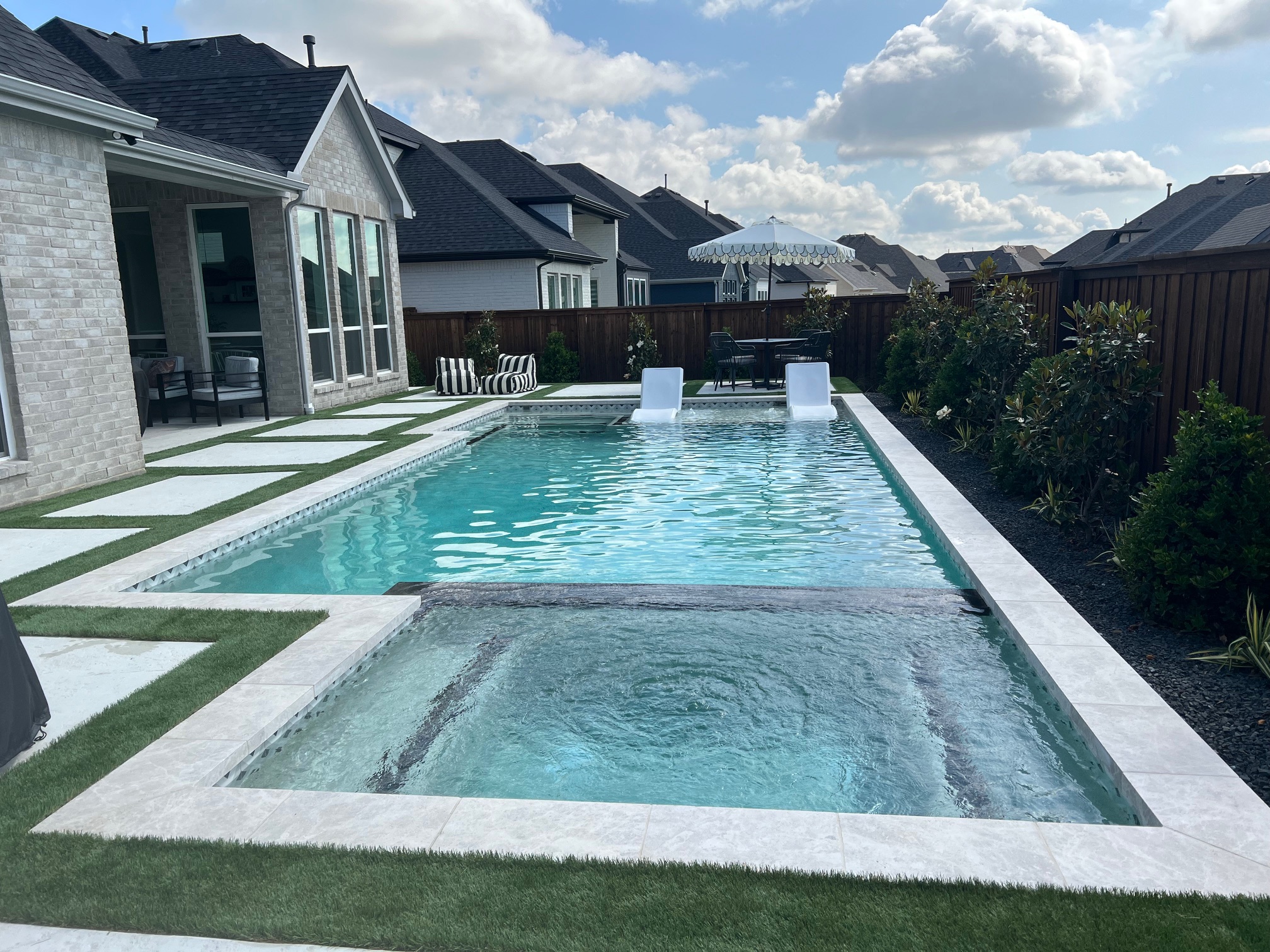
Pool problems rarely announce themselves in obvious ways. Instead, they often appear as small changes that are easy to ignore, such as water levels dropping slightly faster than usual or equipment running longer than expected. These signs may seem minor at first, but they often indicate deeper issues developing beneath the surface.
Understanding how repairs work and why timing matters allows homeowners to act before problems escalate. A thoughtful approach to repairs protects not only the pool itself but also the surrounding outdoor space, helping maintain comfort and usability throughout the season.
Why Pool Repair Fort Worth Should Not Be Delayed
Delaying pool repair Fort Worth can lead to problems spreading beyond the original issue. Pool systems are interconnected, meaning a failure in one area often places added stress on others. What begins as a small leak or circulation issue can eventually impact surfaces, equipment, or plumbing.
When repairs are addressed early, solutions tend to be more straightforward. Early intervention helps maintain water quality, stabilizes system performance, and reduces the likelihood of unexpected shutdowns during periods of heavy use. Acting promptly also helps homeowners avoid more disruptive repairs later.
Common Causes That Lead to Pool Repair Fort Worth
Many repair needs develop gradually rather than appearing overnight. Regular use, environmental exposure, and aging all contribute to wear over time. Recognizing common causes helps homeowners better understand when attention may be needed.
Factors That Often Contribute to Pool Wear Over Time
Several conditions frequently lead to repair needs:
- Ongoing equipment operation that causes gradual mechanical wear
- Prolonged exposure to sunlight and temperature fluctuations
- Ground movement that affects underground plumbing connections
- Water chemistry imbalances that impact surfaces and components
- Deferred maintenance that allows small issues to progress
Awareness of these factors helps homeowners recognize when something feels off and respond before damage spreads further.
Repair Areas That Commonly Require Professional Attention
When repairs are needed, they often involve components that directly affect performance and safety. Proper attention to these areas helps restore balance across the entire pool system.
Typical repair areas include:
- Locating and correcting hidden leaks that cause unexplained water loss
- Servicing pumps and circulation systems to restore consistent flow
- Repairing surface damage that affects comfort and appearance
- Adjusting plumbing fittings to stabilize pressure and movement
- Inspecting equipment to confirm reliable and safe operation
Addressing these areas thoroughly ensures pool repair Fort Worth resolves underlying problems rather than offering short-term relief.
How Repair Decisions Influence Long-Term Pool Performance
The choices made during a repair can affect how the pool performs for years afterward. Temporary fixes may restore function briefly but often allow problems to return. More complete repairs, on the other hand, help extend the lifespan of both equipment and surfaces.
Homeowners who prioritize proper repair methods often experience fewer repeat issues. Addressing root causes instead of symptoms helps maintain consistent operation and reduces long-term ownership frustration.
Knowing When A Professional Assessment Is Needed
Some pool problems are visible, while others develop quietly. Gradual water loss, frequent system cycling, or persistent clarity issues often indicate underlying concerns that require evaluation.
Working with Lone Star Oasis Pools, a team familiar with pool repair Fort Worth allows homeowners to gain clarity without guesswork. A proper assessment helps identify what is happening, why it is occurring, and what steps will prevent further complications.
FAQs
Q1: What early signs suggest a pool may need repairs
Changes such as unexplained water loss, cloudy water, reduced circulation, or unusual equipment sounds often indicate issues that should be evaluated promptly.
Q2: Can minor pool issues become major problems
Yes, small issues can spread to connected systems over time, increasing repair scope, cost, and potential downtime if not addressed early.
Q3: How often should pool systems be checked for issues
Regular inspections throughout the swimming season help identify developing problems early and support consistent performance.
Q4: Do all repairs require shutting down the pool
Not always. Some repairs can be completed with minimal interruption, depending on the affected components and severity.
Q5: Why is professional diagnosis important for pool repairs Professionals can identify root causes and ensure repairs address the actual problem rather than temporary symptoms.